How we help
We are integrating scientific monitoring, community connection and engagement, knowledge sharing, and a grassroots approach to sustainable land use.
What we do
We equip sub-catchment communities with the information and data they need to implement effective solutions that safeguard the environment and strengthen farm businesses.
We achieve this through:
- Water quality monitoring
- Freshwater management
- Supporting catchment communities
- Workshops promoting best practice
- Protecting biodiversity through pest trapping and weed control
These efforts benefit not only the environment, but also the long term sustainability and profitability of our farms
Freshwater quality monitoring
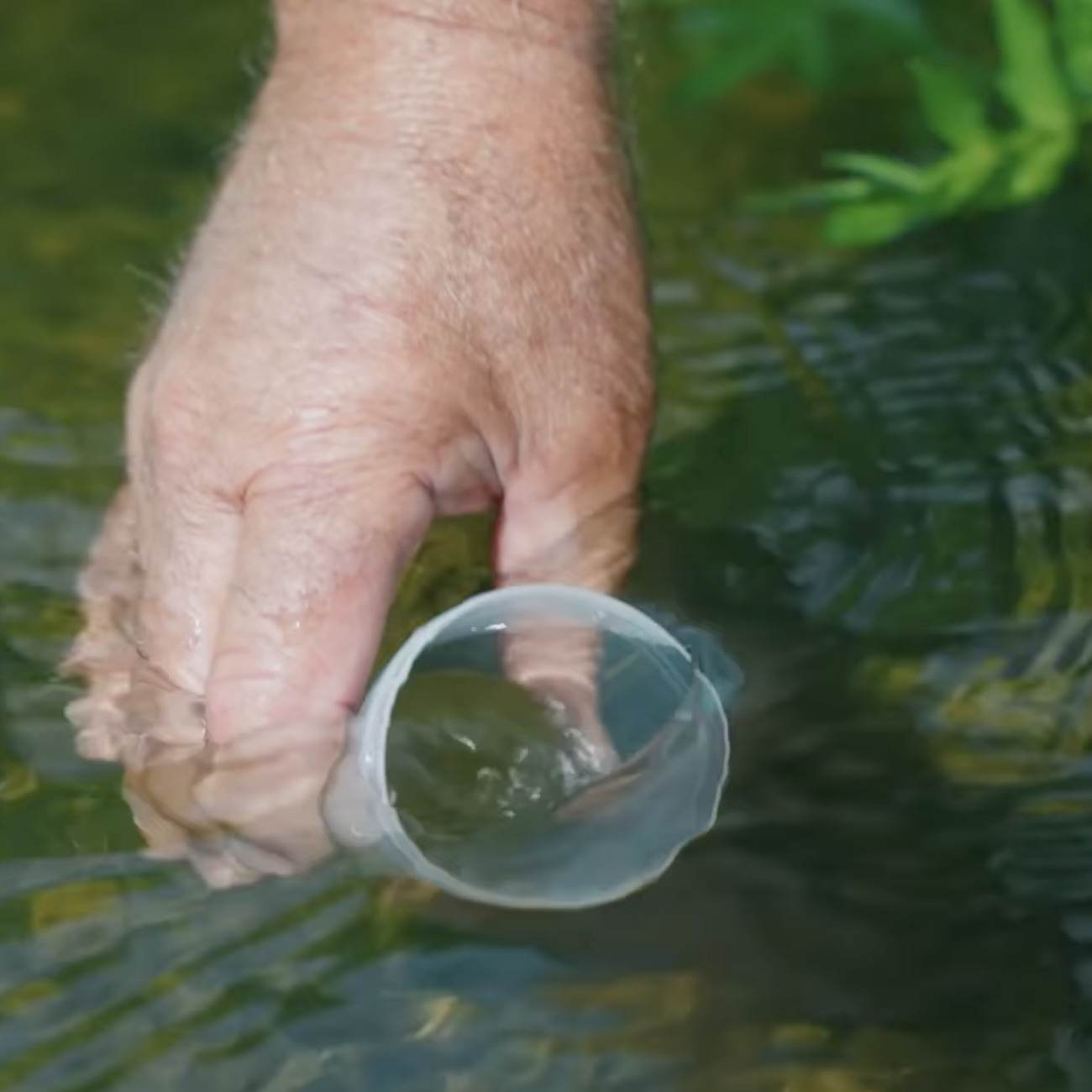
Water quality monitoring is a strong tool improving local knowledge of the state of health of the water in a catchment.
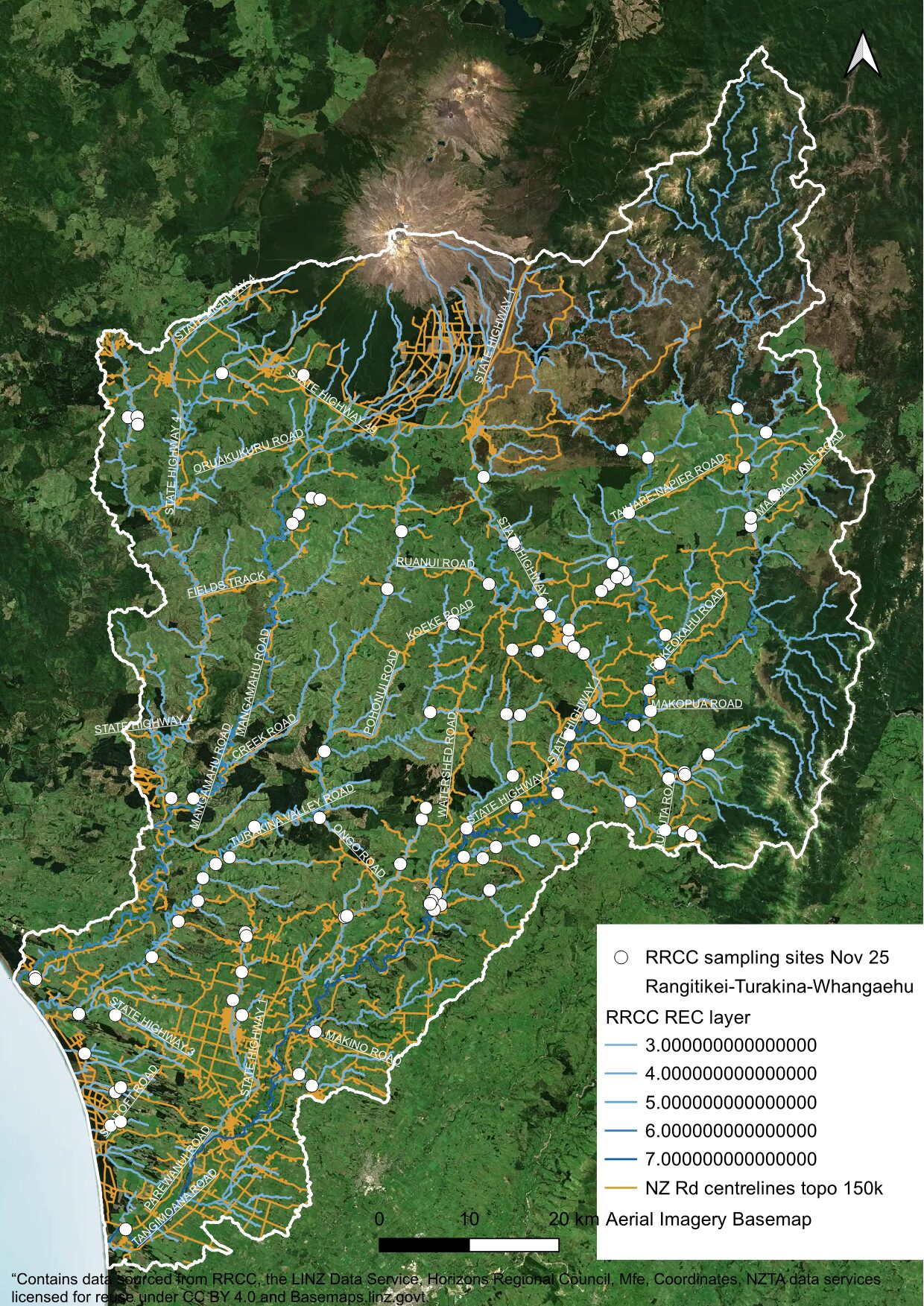
Since 2018, RRCC members have been carrying out monthly water quality monitoring. We currently monitor over 100 sites across the Rangitīkei, Whangaehu, and Turakina river catchments, covering rivers and streams from source to sea.
The monthly samples are tested by Central Environmental Laboratories (CEL), a government approved agency, for pollutants nitrate (N), soluble inorganic nitrogen (SIN), dissolved reactive phosphorus (DRP), suspended sediment (turbidity) and E. coli.
As a result, RRCC has built a substantial database of water quality results for our region, providing a valuable benchmark for awareness of overall health and ecological conditions for better decision making and tracking progress towards environmental goals. This has also helped rural communities become more connected with their local waterways, increasing awareness of overall health and ecological conditions.
Macroinvertebrate Monitoring
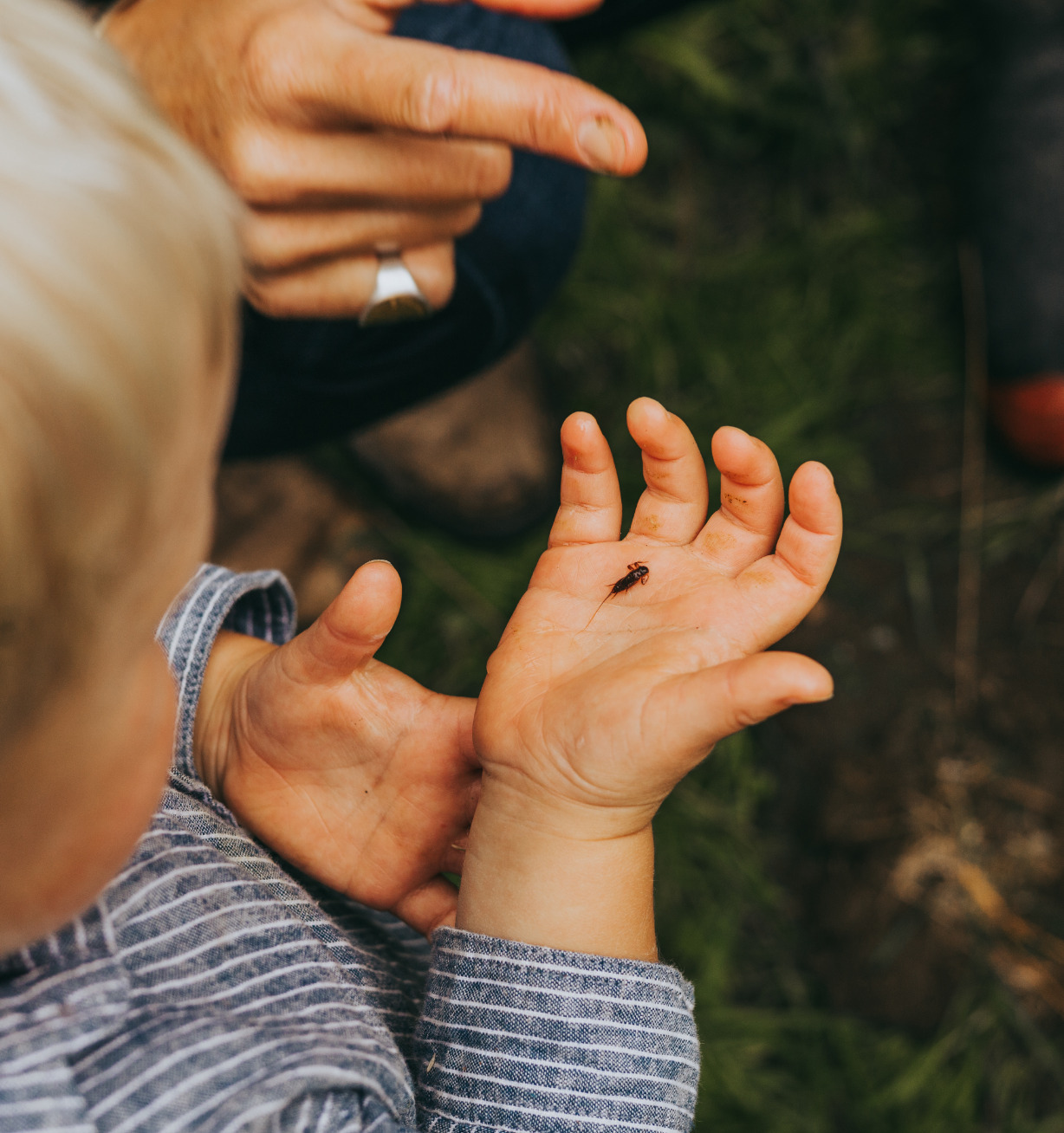
Macroinvertebrate monitoring is carried out to complement monthly water sampling and provide insights into stream health that standard water testing doesn’t cover. Because their presence often reflects good water quality, macroinvertebrate data is valuable for identifying pollution issues that might otherwise go undetected. These organisms are sensitive to a range of pollutants, including chemical contaminants and physical disturbances, making them reliable indicators of overall waterway health. Monitoring is conducted annually, when funding permits.
If you’re interested in supporting the continuation of this essential monitoring work, please don’t hesitate to contact us.
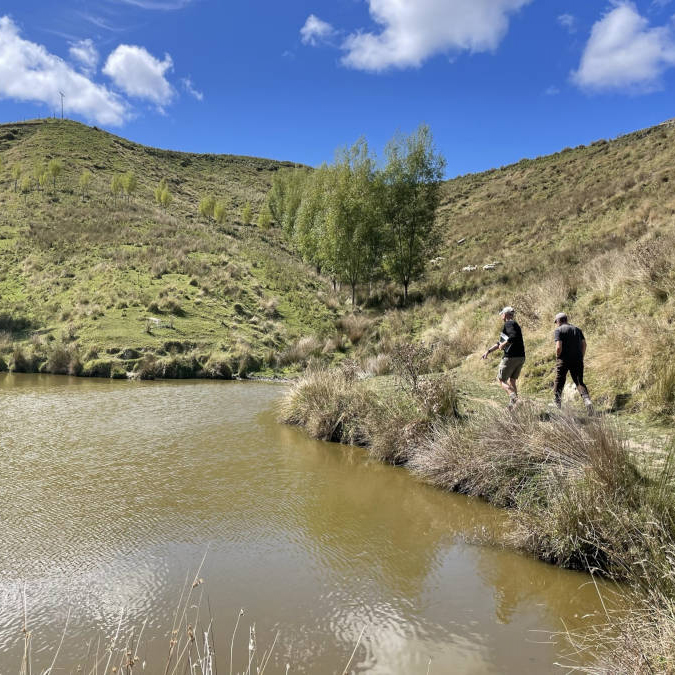
Freshwater Management
RRCC is guiding farmers in navigating complex regulations and developing plans to assess and manage the environmental impacts of land use. Their goal is to promote sustainable land use, protecting natural resources, and ensuring compliance with environmental regulations.
Together, we achieve more when community action is grounded in local knowledge and informed by scientific evidence.
Protecting Biodiversity
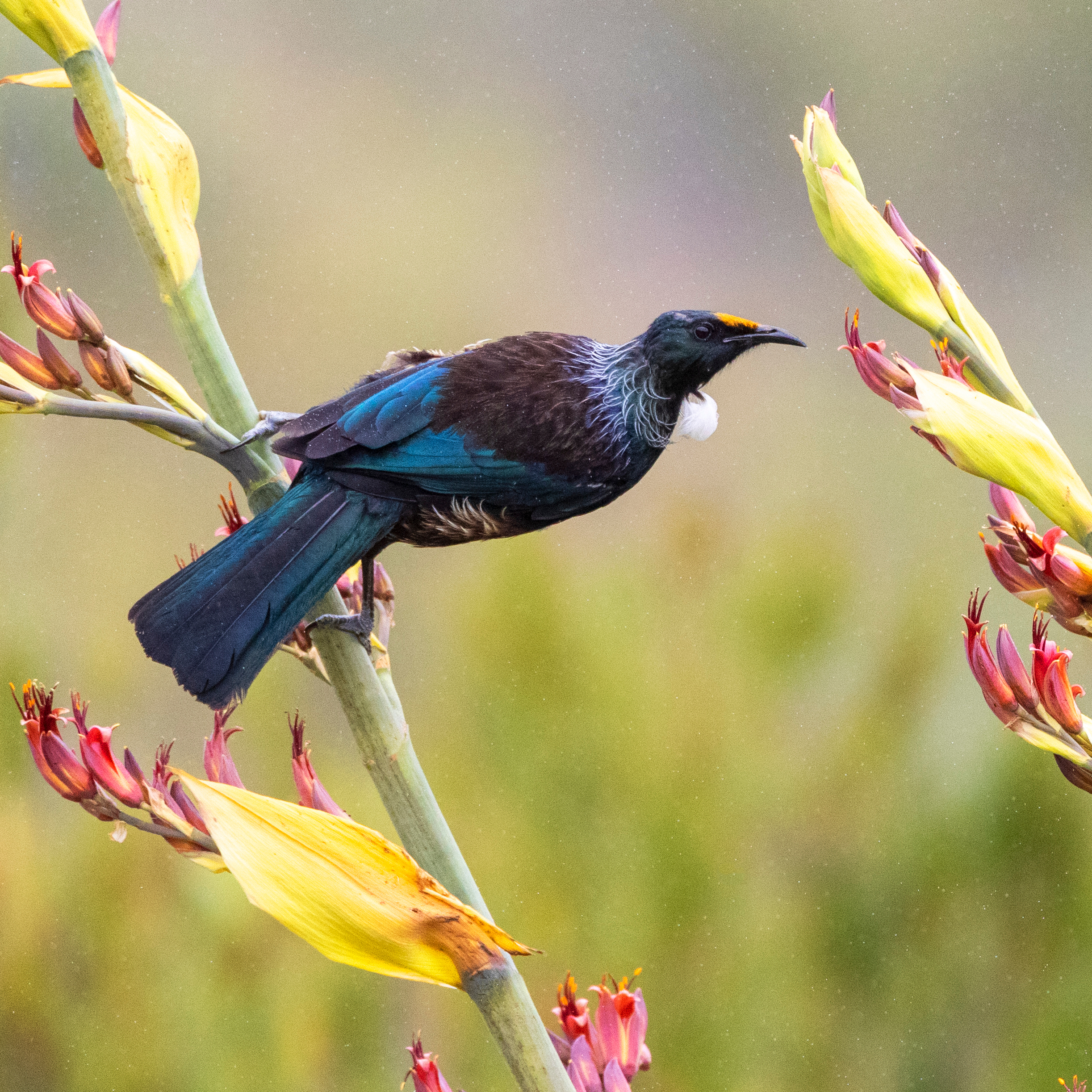
At RRCC, we are committed to supporting the management of both plant and animal pests, including predators, by securing funding, tools, and practical pest management advice. Our aim is to strengthen on-the-ground pest control efforts on private land, helping protect biodiversity, native wildlife and habitats from the increasing threat of invasive species.
RRCC is supporting catchment-wide biodiversity initiatives on private land, including targeted control of Old Man’s Beard control, the creation of a pest trap library allowing farmers to trial traps before purchasing, and hands-on workshops focused on effective weed control and trapping techniques.
As a result, over 500 hectares of land has been treated for Old Man’s Beard, the newly created trap library has been accessed by several early adopters, and community workshops have engaged over 100 farmers and landowners in hands-on pest management.
Our dream is to restore local populations of the Brown Kiwi, Whio (blue duck) and Bittern, where possible.
Supporting Local
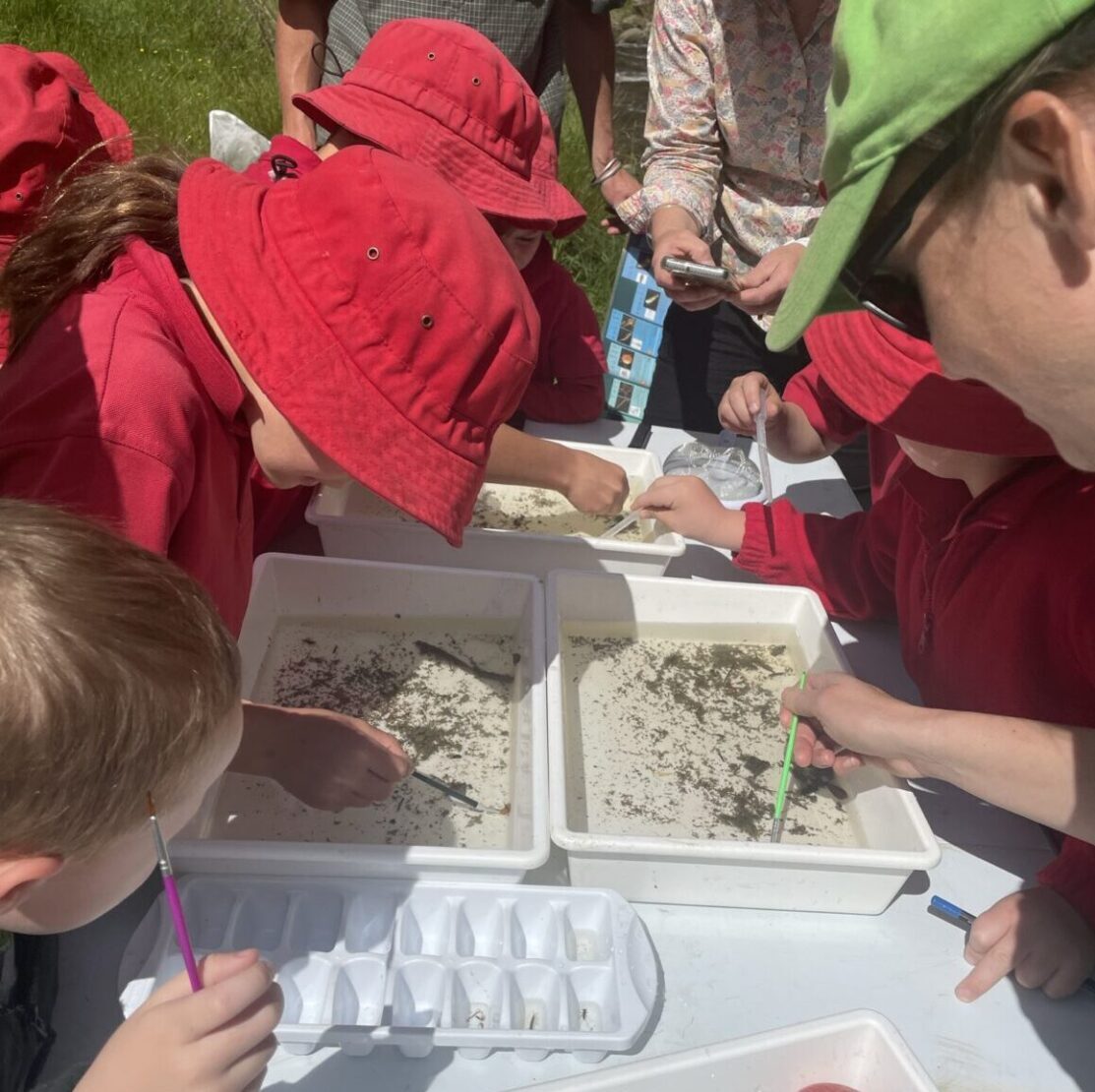
RRCC is engaging local school students in hands-on learning about stream health, showing them how to identify key indicators and understand the important role of macroinvertebrates.
Community halls and facilities are used as venues for workshops, meetings and social events. Sourcing local services and employing local people.
Promoting Best Practice
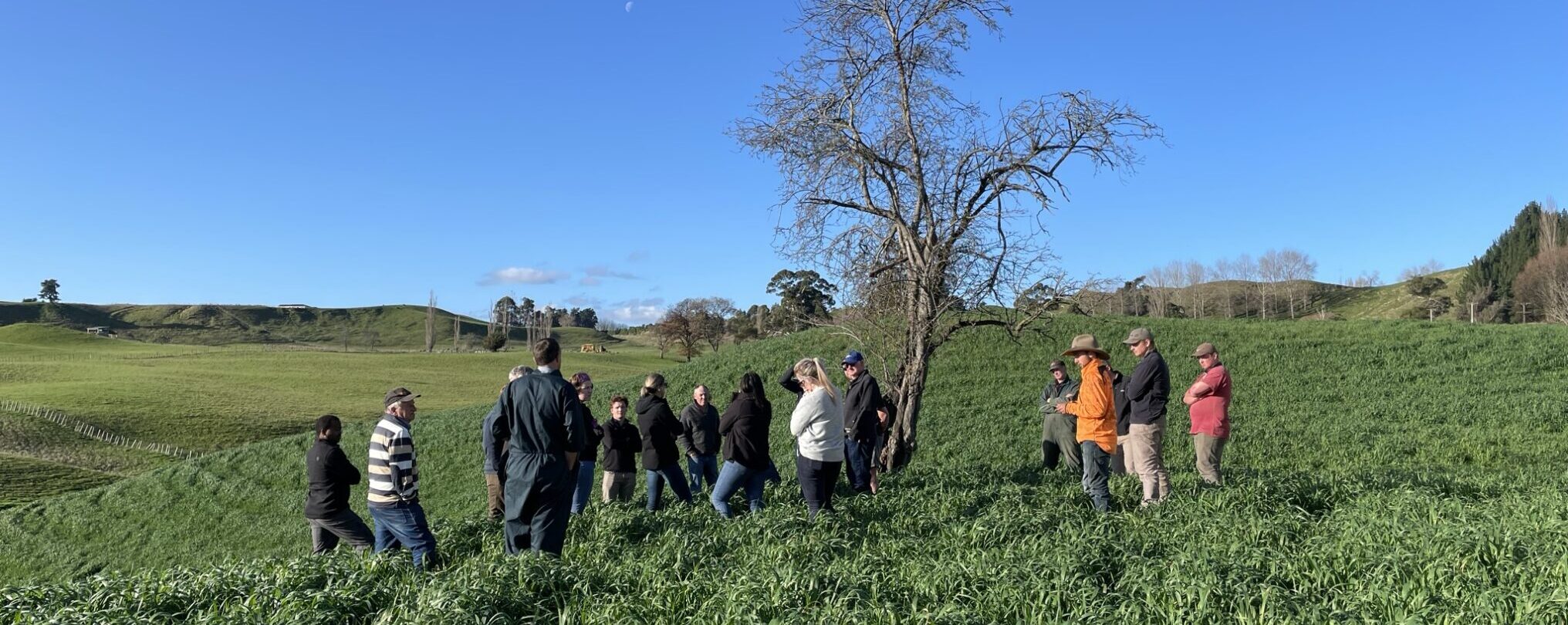
Each year, RRCC delivers hands-on workshops focused on practical solutions to real-world challenges. Topics include sustainable land and water practices, such as erosion control, pest trapping, and intensive winter grazing management, farm planning, industry standards, and visual soil assessments, encouraging collaboration and long-term positive environmental outcomes.